

Machine Design Studio / Instance 01 — UAV
Design the drone. Then let the twin fly it.
The Port Twin's patrol drones had to come from somewhere. This is where machines get designed at xGRIDx: pick the application, the climate it must survive, the distance it must cover and the sensors it must carry — and a parametric airframe rebuilds itself on the bench while the spec card reprices the physics. More battery is more weight is less endurance, and the model makes you watch that trade happen. What comes out is not a picture: it is a named configuration record the facility twins can consume, the same shape as every part in the Parts Catalog. Drones are instance 01. The robots and machines we sell will be designed in this studio, the same way.
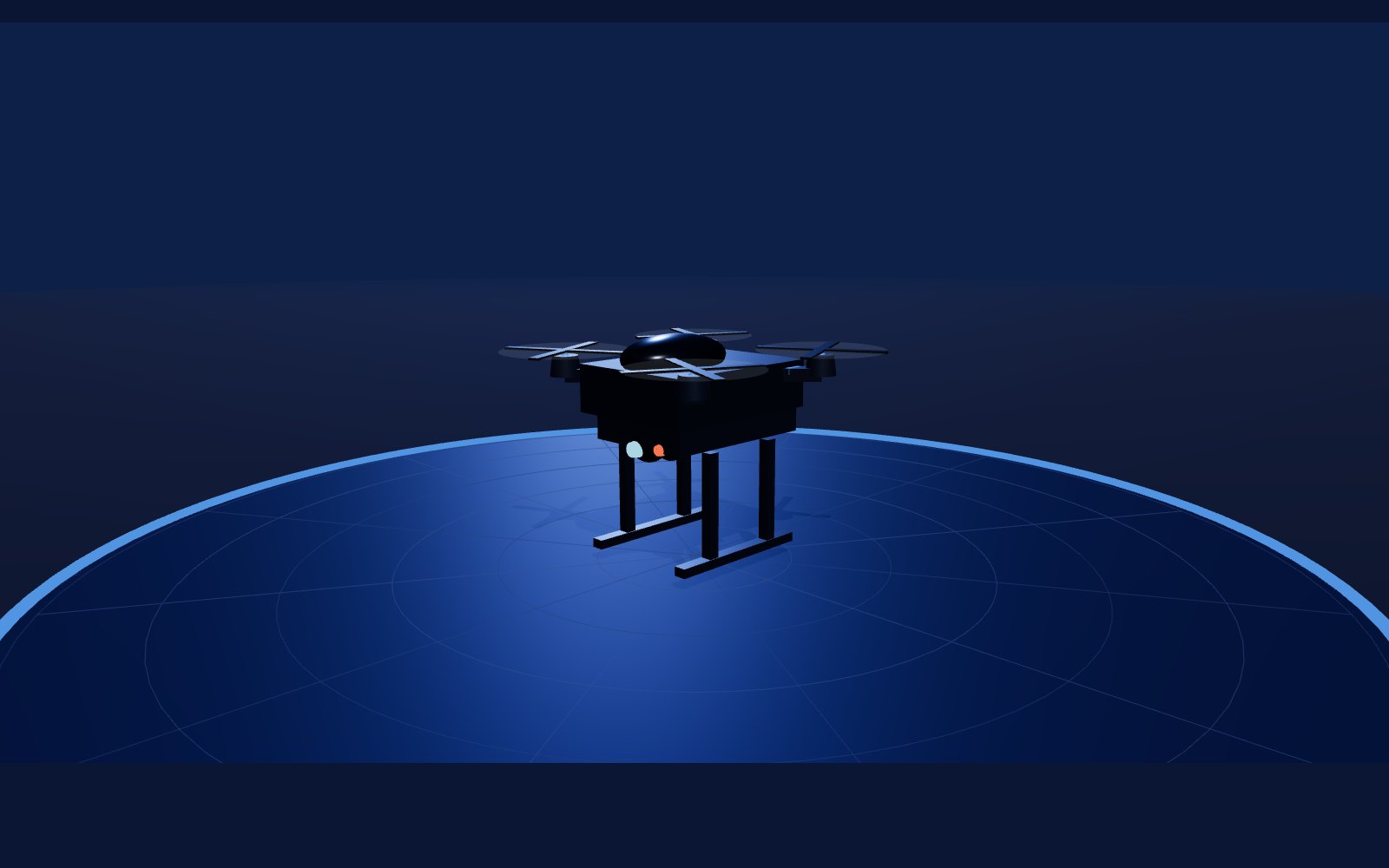
The airframe on this bench is procedural — frame, rotors, battery and payload modules rebuild from the designer below. Start the bench, then go design.
A design twin, not a manufacturing file: geometry is generated from the same parameters that drive the spec, so what you see is what the numbers describe.
The designer / Application · Climate · Distance · Sensors
Four decisions. The airframe does the rest.
The engine sizes the frame, rotor count, propeller class and battery against your targets, then prices the result from the component assumptions at the bottom of the spec card. When a target cannot be met inside this frame family, the card says so instead of quietly lying.
1 · Application
The mission seeds the frame class, cruise profile and a sensible starting payload. Everything stays editable after.
2 · Distance & endurance targets
Targets, not wishes: the battery grows until the estimate meets them, and the frame steps up when the battery stops fitting.
3 · Climate & environment
Weather is a design input, not a footnote. Cold steals battery capacity, heat steals density and watts, wind eats thrust margin.
4 · Sensor payload
Every sensor lands on the model where it would really mount, and on the spec with its true weight and power draw.
Preset builds / Named configurations
Three builds with names, ready to load.
Port Patrol — Gulf Spec
The Port Twin patrol drone, specified: sea-spray sealed at IP65, thermal and LiDAR for night inventory sweeps, desert-heat rated for the Gulf Coast.
Security patrol · IP65 · Desert heat
Refinery Methane — Permian Spec
Laser methane over tank farms and flare lines in desert heat, on the hex frame the sensor weight demands, sized for a full unit survey per charge.
Methane survey · TDLAS + thermal · Desert heat
Pipeline Runner — Bakken Winter Spec
Heated-pack long-range patrol for northern gathering lines. Low-temperature cells, a 25 W pack heater and the endurance to depart at −30 °C.
Pipeline patrol · Arctic · Heated pack
The record / Spec sheet & saved builds
A design that ends as a document.
The spec sheet below is the configuration record in human form — the same record the JSON export carries and a facility twin consumes. Print it, save builds in this browser, and pull them back onto the bench any time.
Saved builds
Machine Design Studio / How a product line starts
Drones are instance 01. The studio is the point.
01 · Design on the twin
Application, climate, distance and payload in; a parametric model and a priced spec out. The reference class for this pattern is the browser drone lab: assemble, configure, and watch thrust-to-weight and endurance move as components change.
02 · Fly it before it exists
The exported record binds straight into a facility twin as a working unit — scan types, patrol role and all. The patrol drones over the Port Twin fly configurations in exactly this shape. Open the Port Twin →
03 · Grow the catalogue
Every designed machine becomes a registered part family next to the 226 refinery components: identity, dimensions, materials, capabilities, failure modes. Robots and ground machines are the next instances. Browse the Parts Catalog →
The offer / Machine design, twin-first
Your fleet, designed on the twin first. Then built once, right.
xGRIDx designs the machines a facility needs inside the twin of that facility: patrol drones today, inspection robots and ground machines next — each one specified against the real climate, the real distances and the real work before a single part is ordered. This page is the studio bench, open. Bring us the mission and we will bring back a configuration record with its assumptions printed on it.