Drawings and layouts
Single-line diagrams drawn from the twin's topology, scaled site layouts, equipment placement, routes, and project boundary files where the filing requires them.


Platform / 07
For generation and large load projects, xGRIDx produces the complete interconnection engineering package from the twin that already holds the site's electrical truth. The package is generated from source data, not redrawn from scratch.
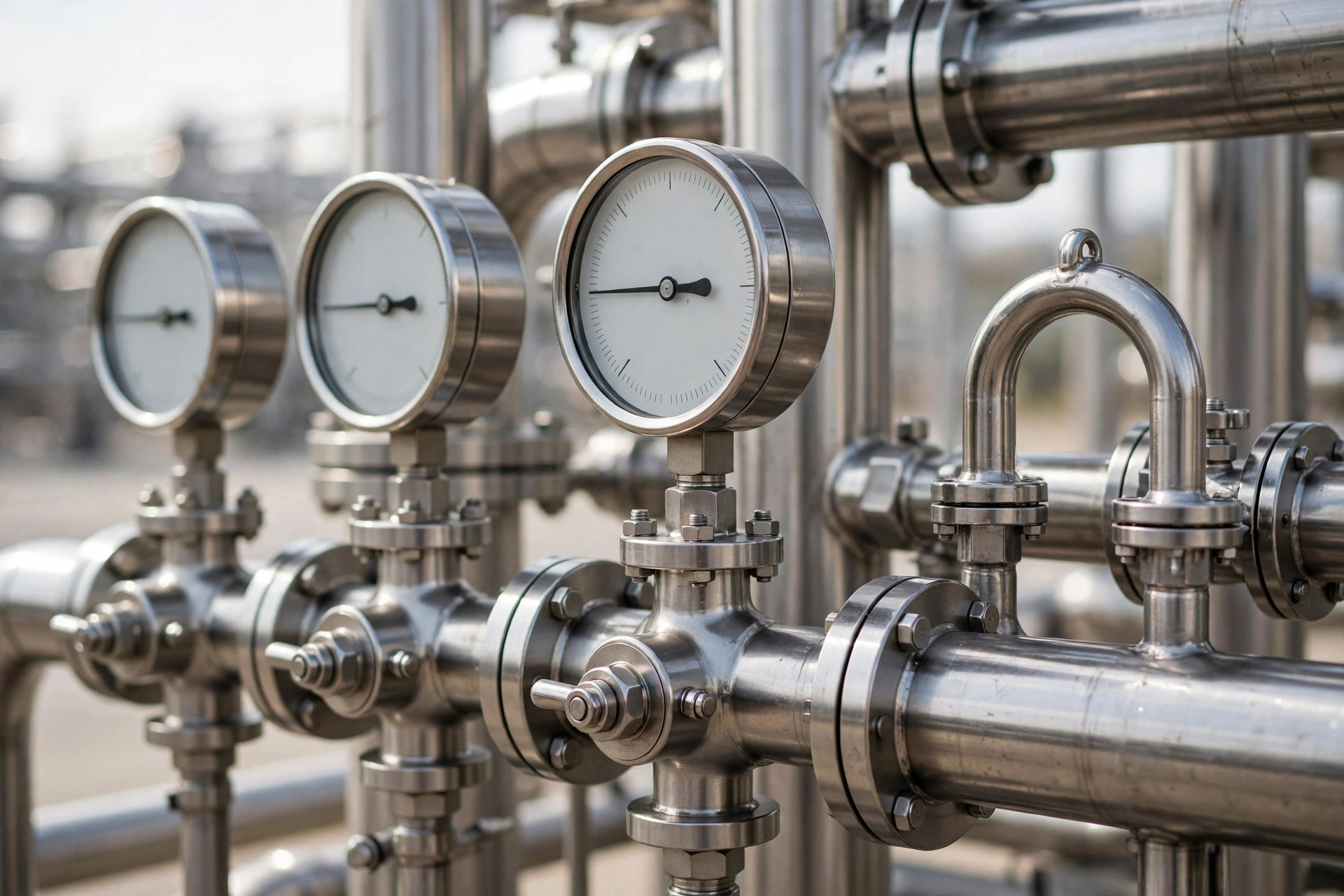
A grid connection package is only as good as the facts inside it. On xGRIDx, those facts already live in one versioned place: equipment and ratings, single-line topology, protection devices, operating modes, site geometry, and the change history behind every value.
That changes the work. The diagram, the models, the curves, and the filing documents are generated from the same source, checked against each other, and regenerated when the project changes. A revised transformer, a moved service point, or a new load block updates the package from the twin instead of starting a redraw.
AI Power Engineering is a new xGRIDx offering, and it is being built into the platform now. We are taking project conversations while the service is stood up.
Scope, source data, review points, professional review where a jurisdiction requires it, and filing responsibility are agreed in writing before work begins. What stays with the project owner is stated up front: land rights and site control, official certificates, study deposits, vendor files that only the equipment maker can issue, and final submission authority.
The package / What comes out
Single-line diagrams drawn from the twin's topology, scaled site layouts, equipment placement, routes, and project boundary files where the filing requires them.
Load flow models, dynamic models, and reactive capability (P-Q) curves built on the same ratings and assumptions as the drawings, so the numbers agree across the packet.
Test evidence and plots the project record supports, technical data attachments, eligibility and site control support documents, and the submission packet with a README and action list.
1. Twin data in. We start from the twin: site geometry, equipment, ratings, topology, and operating profile. Where no twin exists yet, capture and project intake build the source record first.
2. Requirements set. The package is structured to the published requirements of the relevant ISO or utility, with the project's generation or load assumptions fixed in writing.
3. Package generated. Diagrams, models, curves, layouts, and forms are produced from the one source and cross-checked: megawatts, equipment, and assumptions must agree everywhere they appear.
4. Human review, then filing. Engineers review the judgment calls before anything is filed. The packet goes out with its evidence attached and its open items named, not buried.
Most interconnection rework is transcription: the same fact typed into a drawing, a model, and three forms, then drifting apart. A package generated from the twin removes that class of error at the root. One source, versioned, with every change traceable to the asset record your operations team already runs on.
And when the project changes mid-queue, as projects do, the package regenerates from the new truth instead of being patched by hand.
Keep reading
Start / One door
A generation project, a plant expansion, a data center load. Tell us what is connecting and where, and we will map the package it needs.
Start a conversation